
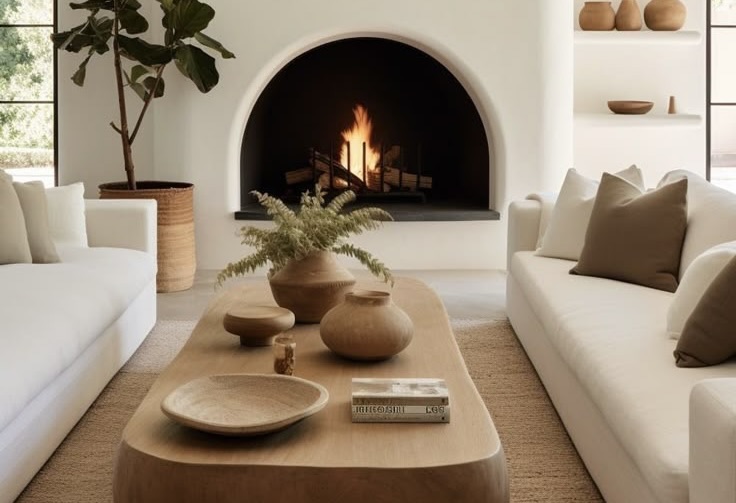
Minimalism is not just an interior design trend; it’s a lifestyle choice that promotes simplicity, clarity, and functionality. But how do you apply it to your home without making it feel empty or sterile? Here are some key principles to follow for a minimalist yet warm and inviting space.
Minimalism isn’t about having as few things as possible; it’s about making intentional choices. Every piece of furniture or decor should serve a purpose. Choose multi-functional pieces, such as a coffee table with built-in storage or a modular sofa that can be rearranged based on your needs. A well-organized space instantly feels calmer and more balanced.
Minimalist interiors typically feature neutral and monochromatic color schemes. White, beige, gray, and earthy tones create a serene environment that feels open and airy. To prevent the space from feeling too cold, introduce subtle variations in tone—think soft creams, warm grays, or muted taupe.
Instead of filling your space with countless decorative items, invest in a few high-quality, timeless pieces. A well-crafted dining table or a statement armchair made from premium materials will elevate the overall aesthetic of your home. Not only do these pieces last longer, but they also help reduce unnecessary clutter.
One of the core principles of minimalism is embracing negative space. Avoid overloading your shelves with decor, and leave some surfaces empty to create a sense of openness. Built-in storage solutions, such as hidden cabinets or under-bed drawers, help keep essentials out of sight while maintaining a clean and clutter-free look.
A minimalist home doesn’t have to feel sterile. Incorporating natural materials like wood, linen, and stone adds warmth and texture. A few well-placed indoor plants can also bring life into a space while improving air quality. Consider using organic shapes in furniture or decor to soften the straight lines typical of minimalist interiors.
By following these guidelines, you can create a minimalist space that feels peaceful, functional, and effortlessly stylish.